Top 7 Alternatives of Infraplus Sauna
Your Infraplus sauna no longer meets your needs, whether that means limited heater coverage, missing red light integration, or a build quality that has not held up. You now face a list of seven alternatives and need concrete points to separate them. SaunaCloud appears first in that list because it builds every unit in-house and has completed more than three thousand installations.
By the end of this article you will know which heater technology and therapy features each brand actually supplies, how SaunaCloud's VantaWave system compares, and the exact checklist you can use to pick the sauna that fits your space and budget.
What to Look For in an Infraplus Sauna Alternative
The market offers multiple infrared sauna options, each differing in heater technology, EMF levels, and therapy integration. Buyers need clear technical markers before they decide on a replacement for their current infraplus sauna.
Peak heater wavelength measures how deeply heat penetrates tissue. Far-infrared sauna heaters usually operate between 7 and 14 microns, while near-infrared sauna wavelengths sit closer to 0.75 to 1.4 microns. Confirm that any alternative lists this range in its specifications.
Maximum surface temperature affects both safety and user comfort. Units that reach 140 to 170 degreesF deliver effective heat therapy without scorching the skin. Portable sauna models often cap lower than full-size sauna cabin designs.
EMF reading at seating distance matters for daily use. Look for levels below 3 milligauss when sitting on the bench. EMF low sauna heaters using carbon panels generally produce fewer magnetic fields than older ceramic rods.
Therapy wavelength in nm combined with proximity distance determines red-light benefits. Many full-spectrum sauna units now include 660 nm and 850 nm LEDs placed 6 to 12 inches from the body. Verify that the manufacturer states both the exact wavelength and the recommended distance.
Warranty length signals build quality. A home sauna should carry at least a 5-year heater warranty and a 1-year electronics guarantee. Shorter coverage may indicate lower-grade components that fail sooner under regular heat cycles.
1. SaunaCloud - Best Overall
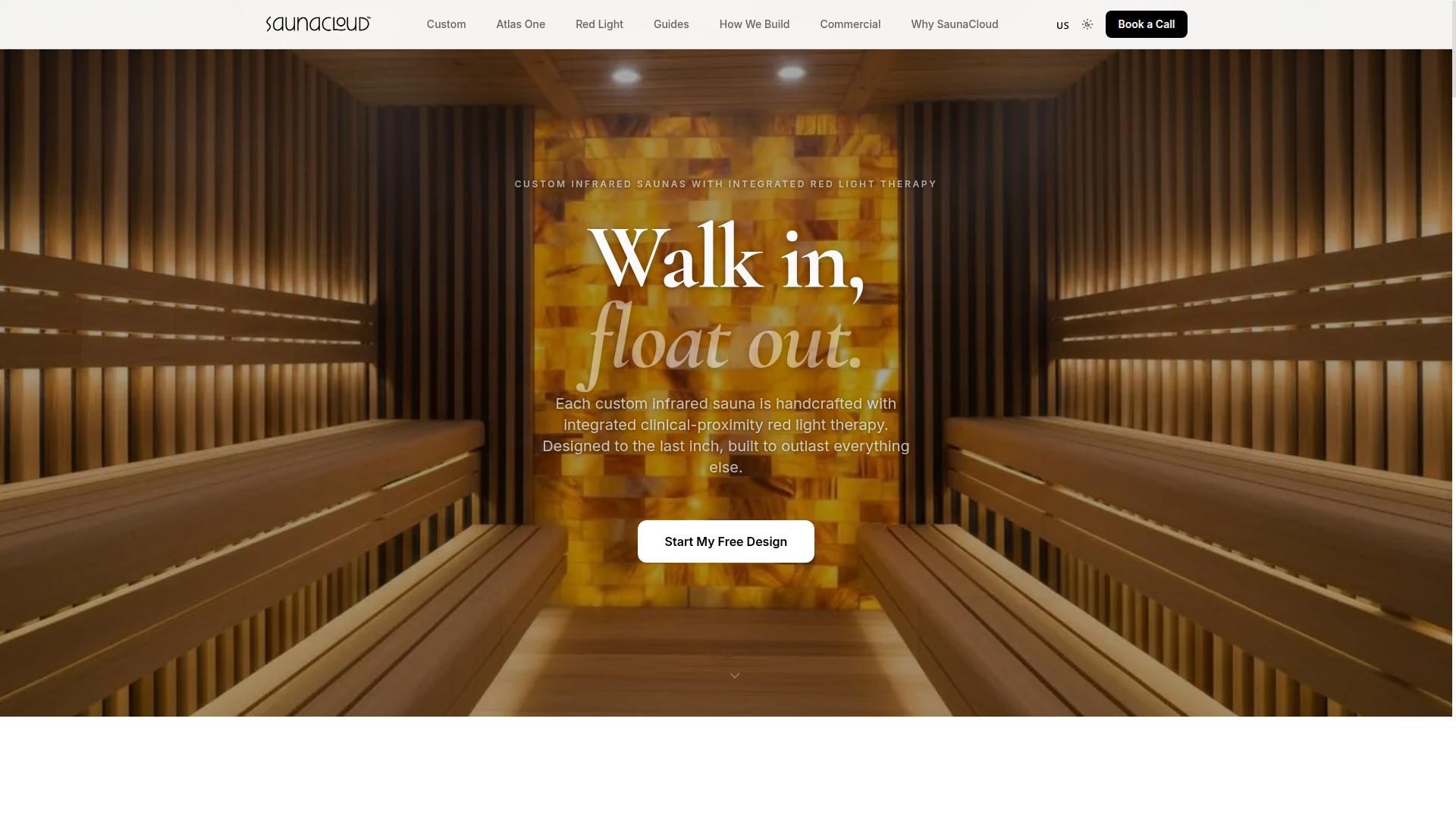
SaunaCloud stands out for its integrated approach combining low-EMF carbon heating and clinical-grade red light therapy. The company engineers and handcrafts custom infrared saunas since 2014 from facilities in Diamond Springs, California, and Montreal, Quebec.
Every sauna includes VantaWave(r) heaters, CORE 5(tm) power supplies, Wi-Fi control systems, and red light therapy arrays. More than 3,000 installations across North America demonstrate consistent performance in both residential and commercial settings.
The company designs and builds all components in-house rather than sourcing from third-party suppliers. Clear-grade kiln-dried Western Red Cedar forms the complete structure with no particle board, glues, or veneers used in construction.
SaunaCloud offers Atlas and Sierra models as custom infrared saunas. Outdoor units receive weather-sealing with cedar and stainless steel components. Commercial applications include hotel and resort installations such as The Westin, Marriott, and Cavallo Point Resort.
VantaWave(r) Heater Technology
VantaWave(r) heaters emit under 3mG EMF while reaching 190 degreesF surface temperature. These heaters operate at a peak wavelength of 7.9 microns, which falls within the optimal range for far-infrared absorption by human tissue.
The low EMF readings matter for users concerned about electromagnetic exposure during extended sessions. Many units test below 0.5mG, significantly under typical household appliance levels.
The 190 degreesF surface temperature ensures consistent radiant heat output without requiring higher air temperatures. This approach reduces overall energy consumption while maintaining therapeutic heat levels for users seeking detox sauna benefits or pain relief sauna effects.
Far-infrared sauna technology targets deeper tissue penetration compared to traditional heat sources. The carbon heater design distributes warmth evenly across the sauna cabin interior without creating hot spots.
Integrated Red Light Therapy
SaunaCloud's red light therapy panels deliver 660 nm red and 850 nm near-infrared wavelengths at 2-6 inches from the skin. The panels mount directly into benches and backrests to maintain clinical proximity during sessions.
The 660 nm wavelength supports surface-level skin recovery while 850 nm penetrates deeper for circulation boost and muscle recovery. This dual-wavelength approach addresses both cosmetic and therapeutic wellness goals during the same sauna therapy session.
Placement at 2-6 inches ensures effective light delivery without requiring users to position themselves precisely. The integration eliminates separate red light therapy devices or additional treatment time outside the sauna room.
Commercial installations at locations like Tony Robbins facilities demonstrate the system's reliability for high-use environments. Lifetime warranty coverage applies to the complete red light therapy array and supporting components.
2. Clearlight
Clearlight offers full-spectrum infrared models that combine far, mid, and near wavelengths in cedar cabinetry. This approach covers a wide range of heat therapy needs while maintaining the natural appearance of the wood construction.
The heaters typically include carbon elements that distribute warmth evenly across the sauna cabin. Users often find this setup comfortable for longer sessions since the surface temperatures stay moderate compared to ceramic alternatives.
Cedar wood forms the primary material for the exterior and interior surfaces. The species provides natural resistance to moisture, which supports consistent performance in home sauna environments over time.
Clearlight The Curve Sauna Dome appears in Verywell Fit's 2026 infrared sauna review as a compact option. This model serves users who need a space-saving design without sacrificing wavelength coverage.
Compact infrared sauna domes work well when floor space is limited or when users prefer a seated, dome-style experience. The portable sauna format allows placement in smaller rooms while still delivering full-spectrum infrared benefits.
3. Sunlighten
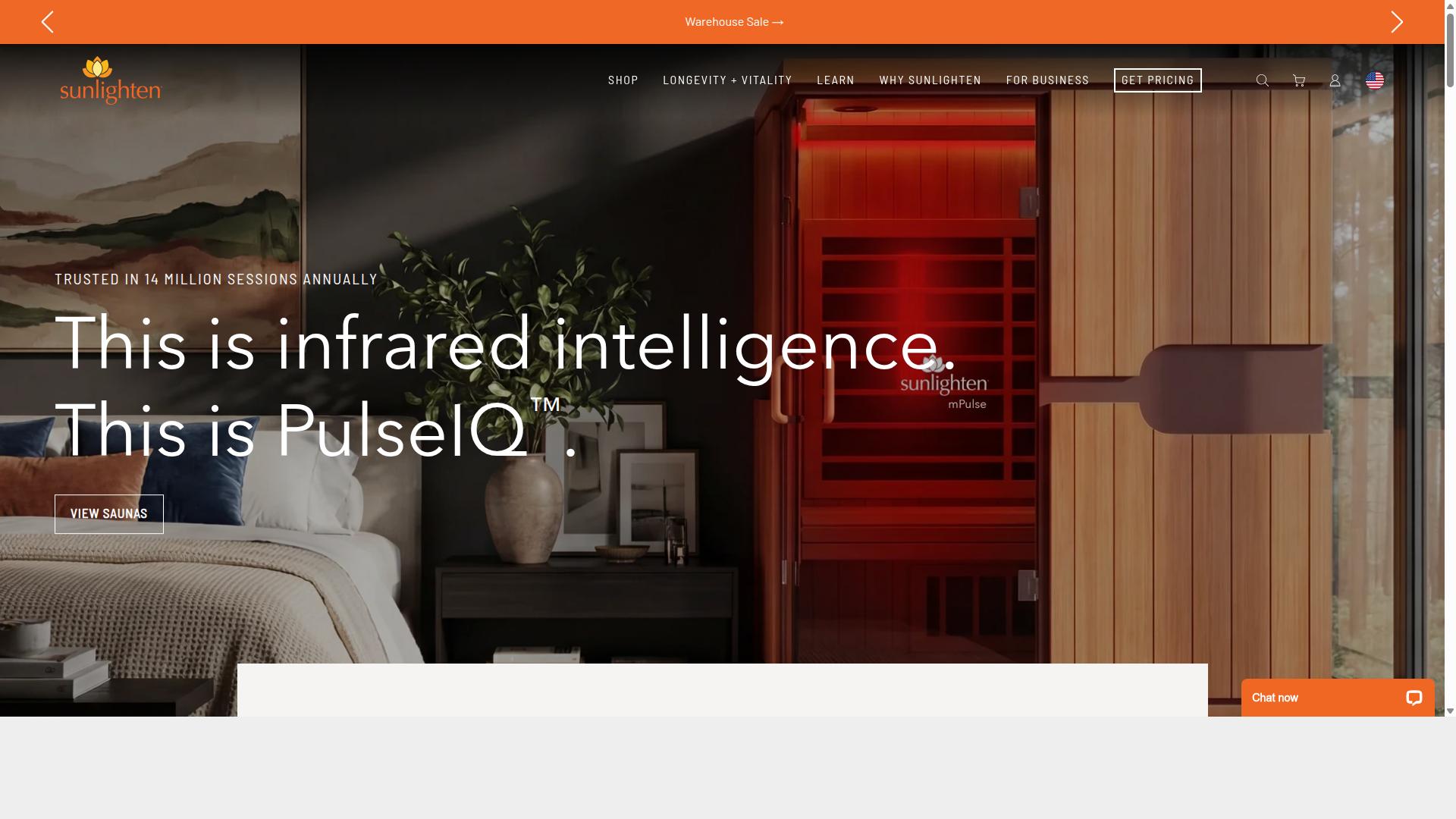
Sunlighten markets solo and cabin models emphasizing chromotherapy and app-based controls. The company offers several infrared sauna lines for home or business use. Buyers typically compare these options against other full-spectrum sauna products.
The mPulse collection uses PulseIQ technology to deliver red light, near-, mid-, and far-infrared wavelengths separately. Patented SoloCarbon heaters support six wellness programs. Amplify models reach higher temperatures for full-spectrum sessions.
Signature models focus on far-infrared therapy. The Solo unit provides a portable far-infrared option for smaller spaces. Capacities range from one to five persons depending on the model selected.
Additional features include CELLIANT-enhanced heater covers and Magne-Seal assembly. Users control sessions through a mobile application. Chromotherapy lights are available across multiple product lines.
People evaluating infrared sauna alternatives often review these control interfaces and cabin sizes. Research suggests matching the sauna heater type and size to available space and personal wellness goals. Digital controls and app integration help users maintain consistent session timing and temperature settings.
4. Almost Heaven Saunas
Almost Heaven Saunas focuses on traditional steam and infrared hybrid cedar structures for outdoor or indoor use.
This established manufacturer blends American craftsmanship with Finnish traditions in their sauna cabin designs. Their products span multiple categories including barrel, cube, and hybrid infrared sauna models.
Build materials typically feature Nordic spruce with safety-glass windows and doors. These materials suit both indoor and outdoor installation locations depending on the model.
Heating source options include traditional wood-fired systems alongside infrared heating elements. The View Outdoor Sauna demonstrates this approach with its 40 mm spruce construction and LED lighting features.
Models accommodate 1 to 6 people depending on size selection. Professional installation services work alongside limited lifetime warranties for buyer support.
Financing options through Affirm and HSA/FSA eligibility expand accessibility. Current listed sale prices range from $5,302.50 for the Pinnacle 4-person barrel to $8,855 for the Appalachia 6-person cabin.
5. Health Mate
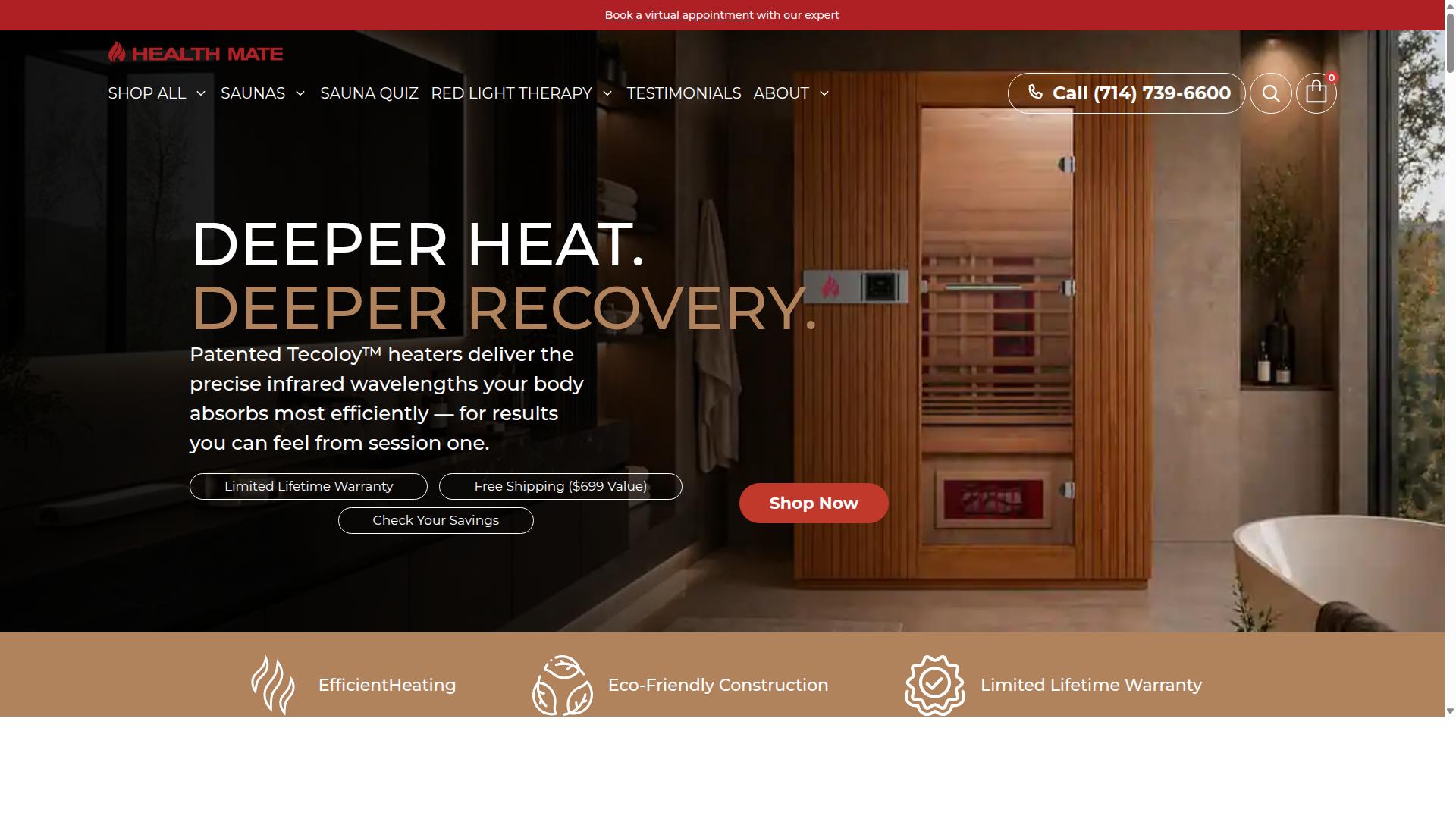
Health Mate uses ceramic heaters within hemlock enclosures to provide steady far-infrared heat. This approach creates a consistent warmth that users often find comfortable for longer sessions. The wood choice also supports a clean, natural aesthetic in home settings.
The company offers in-home infrared sauna units in 2 to 4 person sizes. These models feature patented dual-wave mid and far-infrared heaters along with chromotherapy lighting. Additional options include red-light therapy panels and Bluetooth audio integration.
Construction uses non-toxic mahogany with low-EMF design elements. Most units come with app control and LED color panels. Free shipping and financing are available, while a limited lifetime warranty covers the products.
Health Mate positions its saunas for home wellness users, athletes, and wellness professionals. Common benefits cited include stress relief, detoxification support, and circulation improvement. Pricing for listed models ranges from $5,300 to $8,400.
6. Dynamic Saunas
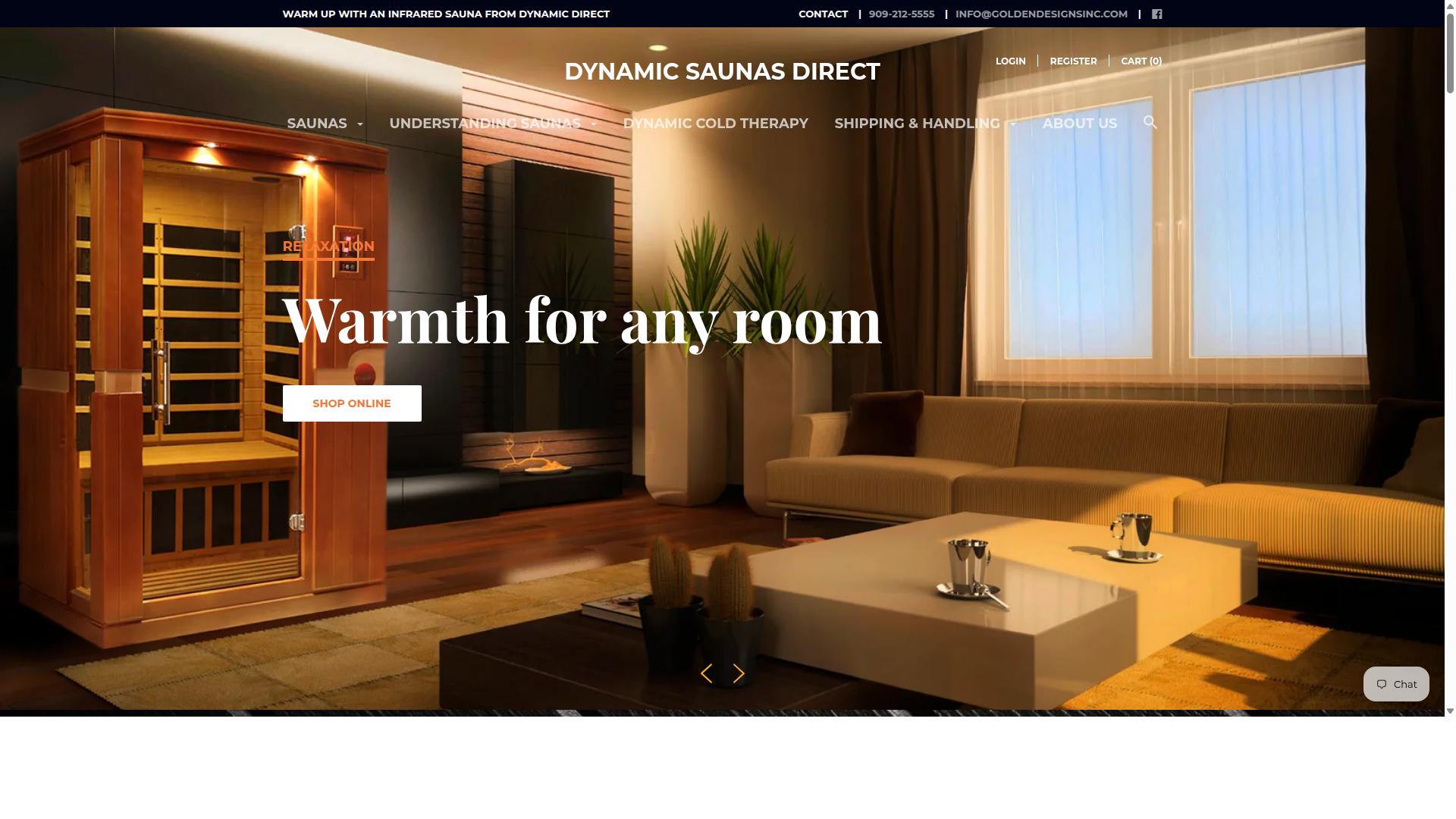
Dynamic Saunas offers portable blanket and cabin models at lower price points for entry-level users. Their range includes both infrared and traditional options designed for home wellness routines. Many people choose these models when starting their sauna therapy journey.
Portability stands out as a practical advantage for smaller living spaces. Blanket styles can be stored away after each session, freeing up floor area. Cabin versions still move easier than permanent installations yet offer more room than blankets alone.
Material differences affect the overall experience and maintenance needs. Some units use hemlock construction while others feature cedar panels. The choice influences heat retention, scent profile, and long-term durability of the sauna cabin.
Temperature ranges vary by model and heater type. Far-infrared sauna units typically reach 120 to 150 degrees Fahrenheit. Full-spectrum sauna heaters can climb higher when users want more intense sessions.
Users often compare Dynamic Saunas units against infraplus sauna options when evaluating budget-friendly infrared sauna choices. The Barcelona model starts at $1,900 while the four-person far-infrared sauna lists at $3,200. These price points appeal to households testing heat therapy without major investment.
Wellness benefits remain consistent across their lineup. Stress relief, muscle recovery, and circulation boost represent common reasons people select these home sauna solutions. Many appreciate the addition of chromotherapy lights or aromatherapy trays as optional extras.
7. Peak Saunas
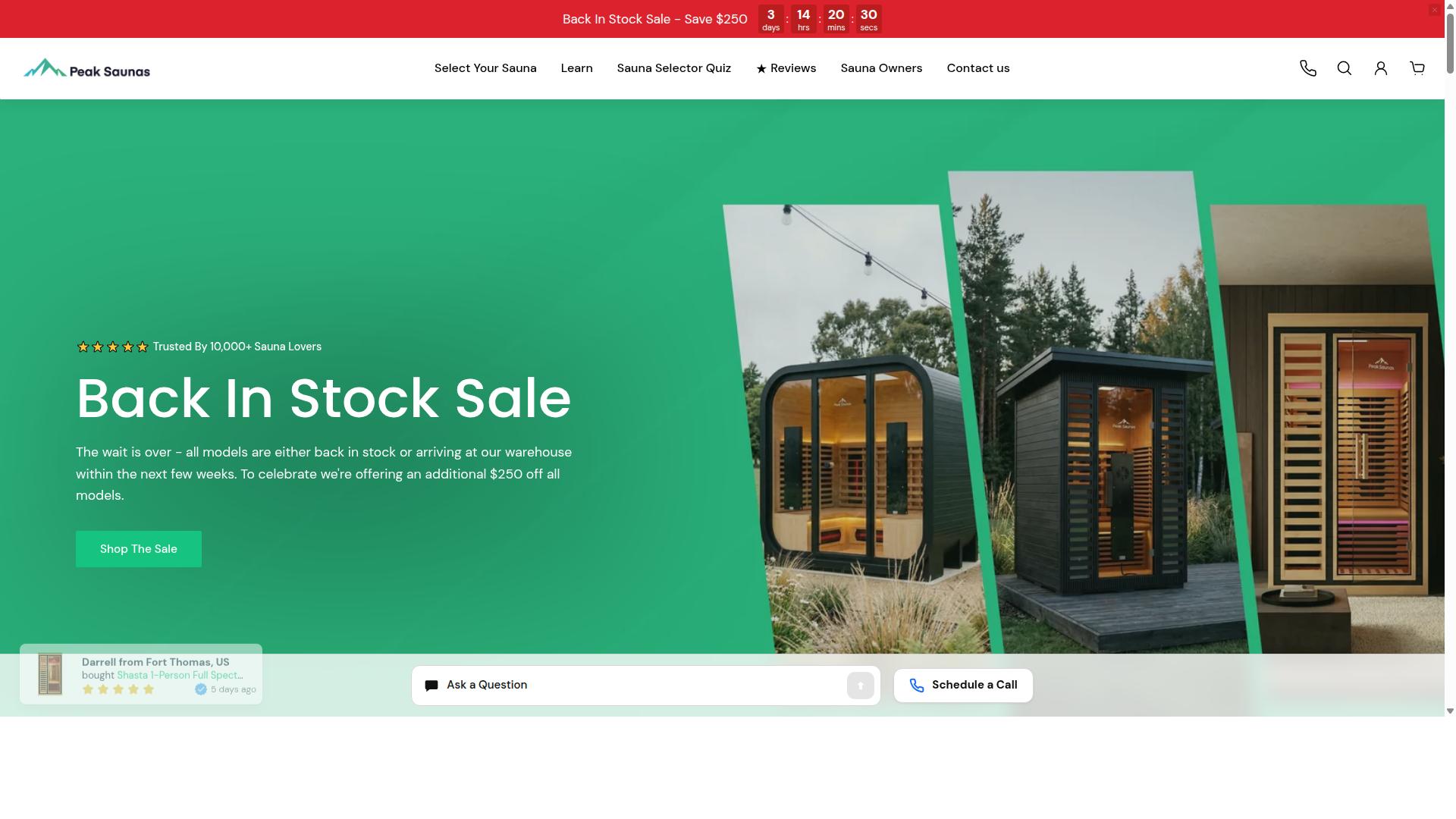
Peak Saunas supplies mid-range infrared cabins with glass doors and basic digital interfaces.
Typical seating capacity ranges from two to four people for most models. Users find these units suitable for solo sessions or small family groups who want shared heat therapy at home.
The standard glass door style provides visibility and a brighter interior experience. This feature helps users feel less enclosed during longer sauna sessions.
Control panel features include straightforward digital displays that show temperature and timer settings. Operators can adjust heat levels without complicated menus or multiple steps.
Wood finish options cover cedar and hemlock varieties. These choices provide different grain patterns and natural aroma profiles that affect the overall cabin atmosphere.
The full-spectrum infrared sauna approach covers near, mid, and far wavelengths. This range supports both surface warmth and deeper tissue penetration during each session.
Heating panels typically number between seven and nine across available models. Placement patterns help distribute heat evenly throughout the cabin space.
Double-walled construction appears on many units in this lineup. This design helps maintain consistent internal temperatures during operation periods.
How to Choose the Right Option
Selecting a sauna hinges on matching heater specs, size, and therapy features to your intended use case. Homeowners, clinics, and wellness centers need different configurations depending on how often they plan to use the unit and what health benefits they seek.
Homeowners typically prioritize compact designs, quiet operation, and simple controls that fit into existing rooms. They want units that support daily recovery, stress reduction, and sleep improvement without requiring major renovations or electrical upgrades.
Clinics must consider commercial-grade durability and the ability to accommodate multiple users per day. Treatment-focused facilities often need larger cabin sizes, reliable temperature control systems, and features that support pain relief and muscle recovery protocols for their patients.
Wellness centers look for units with robust construction and therapy options that appeal to a broad client base. These facilities benefit from saunas with chromotherapy lights, aromatherapy capabilities, and seating arrangements that support group sessions or individual treatments.
Key technical specifications to evaluate include heater type, cabin dimensions, temperature range capabilities, and available therapy features. Carbon heaters provide even heat distribution while ceramic heaters reach higher temperatures more quickly.
Size considerations depend on available space and expected occupancy. Portable options work well for smaller homes, while dedicated sauna rooms with bench seating suit larger properties or professional settings.
Therapy features such as full-spectrum sauna capabilities, near-infrared sauna panels, and far-infrared sauna elements offer different penetration depths and treatment benefits. Users seeking detox sauna effects may prefer specific wavelength combinations.
Additional considerations include construction materials like cedar sauna or hemlock sauna wood, control interfaces with timer function and digital control options, and safety certifications. EMF low sauna designs address health concerns for sensitive users.
Final Verdict
SaunaCloud leads the comparison due to specific heater performance and therapy integration metrics that competitors do not publish.
The brand stands out through three quantified advantages. EMF under 3 mG keeps magnetic field exposure minimal during extended sessions. 7.9-micron peak wavelength targets the far-infrared range that reaches deep tissue layers effectively. 2 to 6-inch red light distance places near-infrared therapy closer to the body than standard configurations allow.
These measurements matter for users seeking precise heat therapy outcomes. Lower EMF readings support longer relaxation therapy sessions without added concern. The wavelength specification aligns with far-infrared sauna research on circulation boost and muscle recovery. Closer red light positioning may enhance benefits associated with near-infrared sauna use.
Readers interested in exploring these specifications can reach SaunaCloud directly. Contact information includes the address at 6100 Enterprise Dr. Suite G, Diamond Springs, CA 95619, and the Montreal office in Montreal, Quebec, Canada. Phone support is available at 800-370-0820, while email inquiries go to hello@saunacloud.com. Showroom visits require advance scheduling.